

Audit Preparation Shouldn’t Feel Like a Fire Drill

If the words “upcoming audit” triggers a flurry of emails, rushed document requests, and late-night compliance reviews, you’re not alone. Despite investing significant resources into quality and compliance programs, many pharmaceutical organizations still find themselves scrambling when an audit or inspection is announced
Beyond Compliance: Why Speed to Distribution Is Becoming a Competitive Advantage in Life Sciences

For life sciences organizations, compliance is often the primary focus of distribution planning. Licensing requirements, state regulations, inventory controls, temperature monitoring, serialization, and documentation all play a critical role in ensuring products move through the supply chain safely and legally.
You Can’t Manage What You Can’t See: The Growing Importance of Sample Inventory Visibility

In the life sciences industry, sample inventory management has become increasingly complex. Organizations are balancing global supply chains, evolving regulatory requirements, fluctuating demand, and increasing pressure to optimize costs without compromising quality or patient access. In this environment, sample inventory visibility is no longer a nice-to-have capability. It is a business necessity.
Five Warning Signs Your Sample Distribution Program Is at Risk
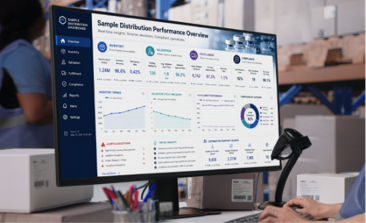
Pharmaceutical sample distribution remains one of the most heavily regulated and closely scrutinized activities within life sciences. While samples continue to play an important role in enabling healthcare providers to evaluate therapies and support patient access, the operational complexity required to manage a compliant program has increased significantly
Impiricus Launches QPharma® Integration to Power Real-Time Compliant HCP Sampling

QPharma is excited to announce our integration with Impiricus, bringing the next level of real-time HCP engagement and compliant sampling in a single action.
Rethinking Sample Distribution: Why Growth Opportunities May Lie Beyond the Highest Deciles

For decades, pharmaceutical sampling strategies have largely followed a familiar formula: allocate more samples to the highest-prescribing healthcare providers and fewer to those with lower prescribing volumes. The logic is straightforward. High-decile providers see more patients, write more prescriptions, and therefore have historically been viewed as the most efficient targets for sample distribution.
The Pharmaceutical Sales Representative Has Changed. Has Leadership Kept Up?

For many pharmaceutical leaders, field sales is familiar territory. They built their careers calling on physicians, earning access one office at a time, delivering product messages, and growing prescriptions through consistent face-to-face engagement. It was a model that worked remarkably well for decades
What the First Year of Commercialization Often Reveals

Launching a pharmaceutical product represents a significant milestone, often marking the culmination of years of research, development, regulatory review, and strategic planning.
Pharmaceutical Commercial Operations… Validated, Controlled, and Audit-Ready: What It Takes to Manage Software Changes in a Regulated Environment

Pharmaceutical samples have long been a recognized part of the healthcare landscape: providing patients with immediate access to therapy and giving clinicians exposure to new treatments. But across hospital systems, policies on samples vary widely. Some organizations continue to allow them under defined conditions, while others have eliminated them entirely.
Breaking the Silence: Why Organizations Operate in Silos, and What It Means for Vendors

Pharmaceutical samples have long been a recognized part of the healthcare landscape: providing patients with immediate access to therapy and giving clinicians exposure to new treatments. But across hospital systems, policies on samples vary widely. Some organizations continue to allow them under defined conditions, while others have eliminated them entirely.